How to Detect and Prevent Water Leaks at Home
A slow leak can be easy to miss until you notice a damp patch, musty smell or unexpectedly high water bill. Knowing what to look for can help you act before the damage spreads.
Practical advice, repair guidance and answers to common questions from the HandyExperts team.
A slow leak can be easy to miss until you notice a damp patch, musty smell or unexpectedly high water bill. Knowing what to look for can help you act before the damage spreads.
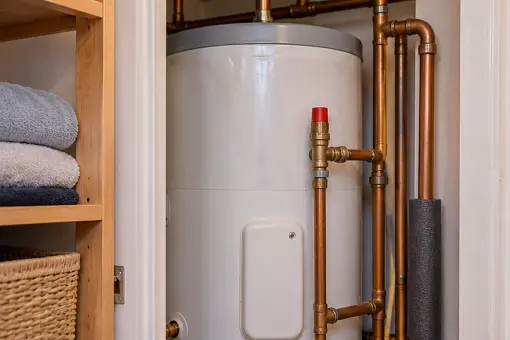
Water around your hot water cylinder needs attention, particularly if it is hot or appears to be coming from a safety discharge pipe. Here is how to respond without putting yourself at risk.
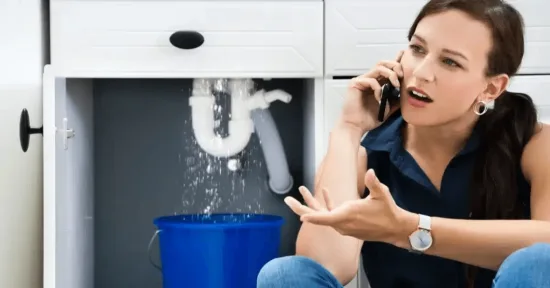
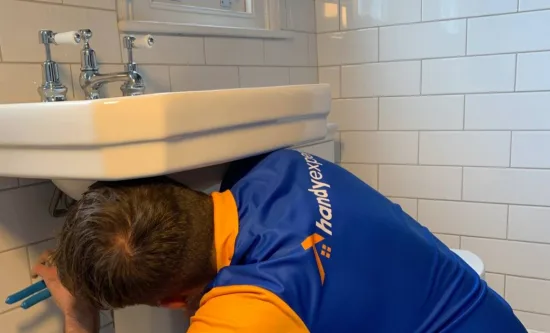
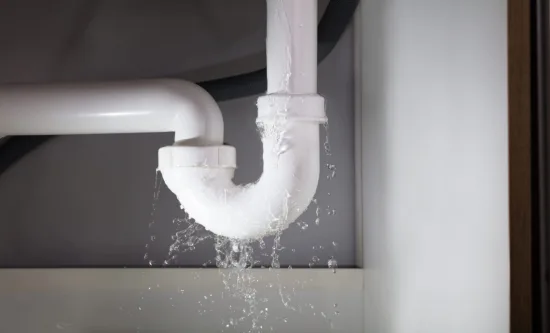
Water under a sink may come from the tap, supply connection, waste trap or seal. Finding the source matters more than guessing at a quick fix.
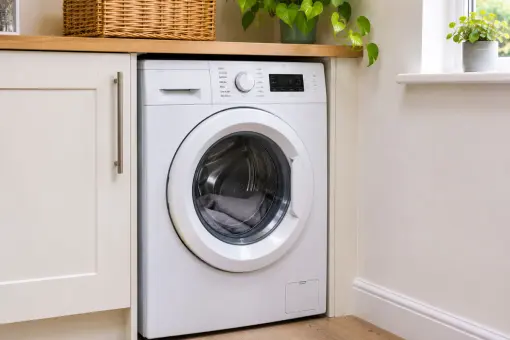
A washing machine needs suitable water, drainage and electrical connections. The manufacturer’s instructions matter more than any one-size-fits-all installation method.
A survey will not necessarily reveal every plumbing issue. A targeted inspection before exchange can help you understand visible leaks, drainage problems and the condition of key fittings.
Before you settle into a new property, a few basic plumbing checks can help you spot leaks, locate the stopcock and avoid preventable blockages.
A dripping tap might be a minor repair; a leak near electrics needs prompt attention. Here are common plumbing problems worth recognising.
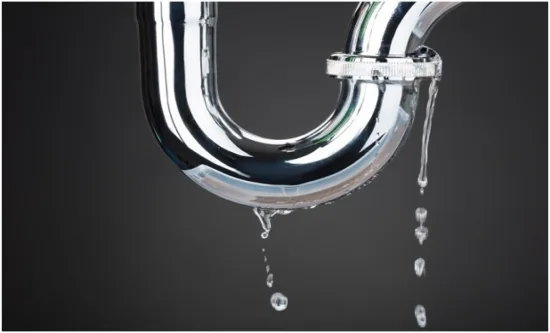
A leaking pipe may be a small drip or a serious escape of water. Knowing how to respond promptly can limit damage and help a plumber identify the fault.
A suitable water-saving shower head can reduce the amount of hot water used in a shower. Any saving depends on your shower type, water use and heating costs.
We'll contact you to discuss details & availability.
Quick response • Upfront pricing • Free advice