Book Online
 0330 912 2323
Property Reset: Start 2026 with a Well-Maintained Home
As January 2026 draws to a close, now is a good time to look round the house and catch up on the little things missed in...


Check whether water appears when the tap runs, the basin drains or the supply is on. Contain leaks, isolate the supply when needed and inspect accessible fittings without forcing them.
Water collecting in a cupboard under the sink does not always mean the sink itself is cracked. A leaking tap connection, waste trap or seal can let water escape in different ways. Finding out when the leak appears is the first step.
Move stored items away from the wet area and put a bowl or towel below the drip. If a pressurised supply hose or valve is leaking, turn off the local isolation valve or main stopcock if safe and accessible. If water is near electrical fittings, avoid touching wet electrical equipment and seek appropriate help.
Water may escape around the tap base, spout or handle. Some taps have replaceable washers or seals; others use cartridges. The repair depends on the tap design, so do not assume every dripping tap needs the same part.
Flexible hoses, isolation valves and compression joints can leak under pressure. If a connection is corroded or damaged, get the supply safely isolated and arrange a suitable repair rather than repeatedly tightening it.
Water that appears mainly while the sink empties may point to a loose joint, displaced washer or damaged trap. A blockage can sometimes cause water to back up, but not every trap leak means the waste pipe is blocked.
Failed seals around a plughole or overflow connection may let water seep into the cupboard when the basin fills or drains. The correct replacement seal or fitting depends on the sink; adhesive is not a universal repair.
After drying the accessible area, observe when drips reappear without dismantling anything: while the tap is off, when water runs into the basin or only when the sink empties. A photograph can help a plumber identify the likely fitting.
If you are competent to reassemble a simple accessible waste trap, use its proper washers and check carefully for leaks afterwards. Never dismantle a trap that may contain chemical drain cleaner. Stop if the fittings are damaged or unfamiliar.
Contact a plumber when a leak is ongoing, cannot be safely isolated, involves damaged supply pipework or returns after a repair. Water damage can spread into cabinets, flooring and nearby rooms.
HandyExperts can discuss sink and tap repairs, including leak diagnosis. Call 0330 912 2323 for prices and availability.
More practical advice to help you look after your property.

As January 2026 draws to a close, now is a good time to look round the house and catch up on the little things missed in...
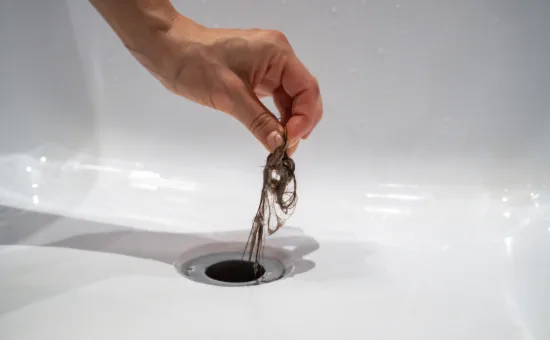
Everyday habits in kitchens and bathrooms can make a real difference to how well drains flow. Keeping food, grease, hair...
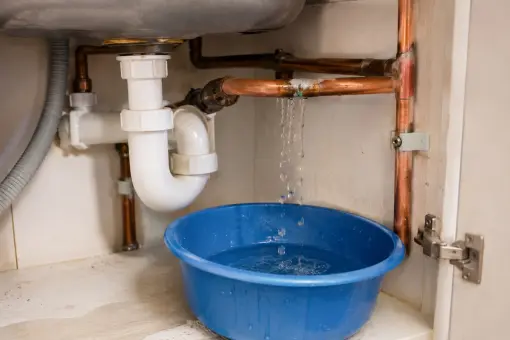
A burst water pipe can cause damage quickly. The first priorities are keeping clear of electrical hazards, stopping the ...
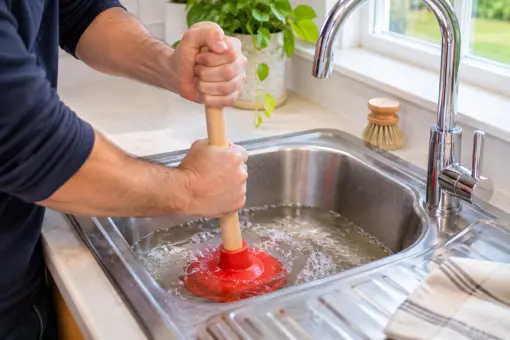
A blocked sink is frustrating, but aggressive cleaners and improvised tools can make matters worse. Start with accessibl...
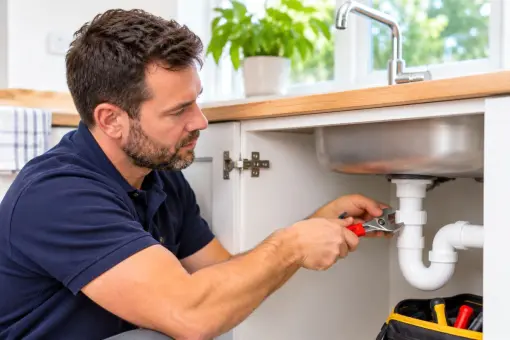
Plumbing costs depend on more than an hourly rate. The type of repair, minimum charge, access, materials and whether the...
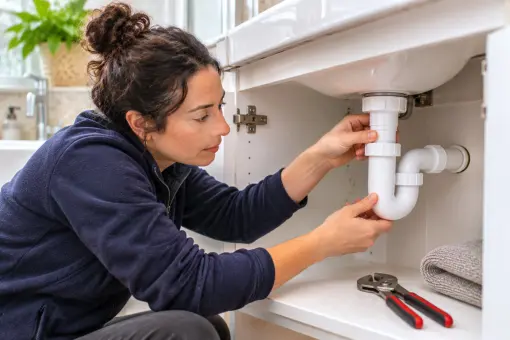
A plumber's quote can include a call-out fee, a minimum labour charge or both. Knowing which applies makes it easier to ...
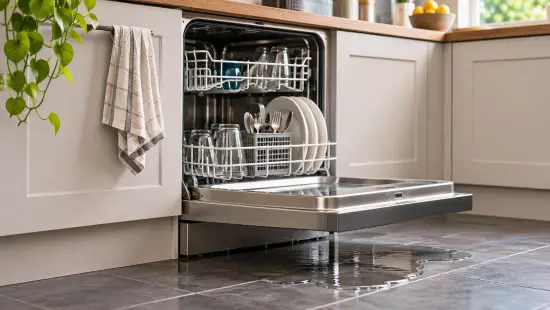
If you have found water spreading across the kitchen floor, the first priority is to make the area safe and limit the da...
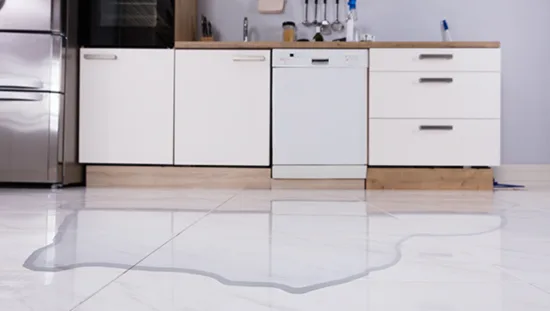
Water on the floor beside a dishwasher may come from the door, a hose connection or the waste pipe. Before trying to fin...
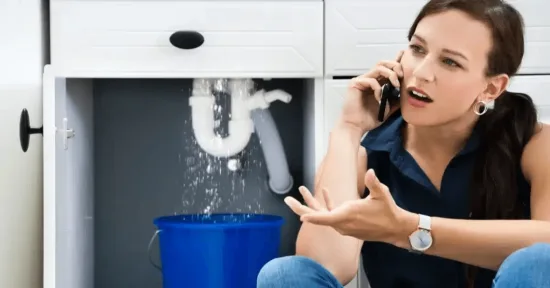
A slow leak can be easy to miss until you notice a damp patch, musty smell or unexpectedly high water bill. Knowing what...
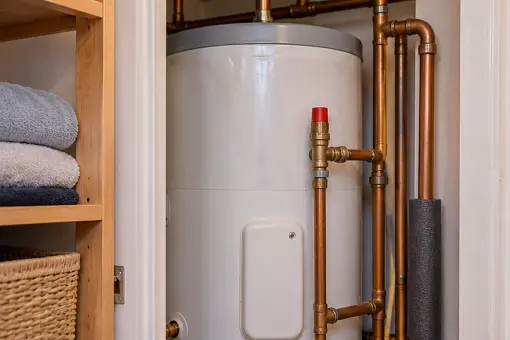
Water around your hot water cylinder needs attention, particularly if it is hot or appears to be coming from a safety di...
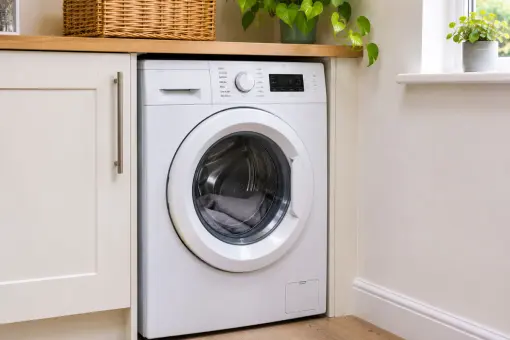
A washing machine needs suitable water, drainage and electrical connections. The manufacturer’s instructions matter more...
A survey will not necessarily reveal every plumbing issue. A targeted inspection before exchange can help you understand...
 Six-Month Guarantee
 NAPIT & Gas Safe Registered
 London & Surrounding Areas
 Established 2005
 Fully Vetted Tradespeople
 Clear Upfront Pricing
We'll contact you to discuss details & availability.
Quick response • Upfront pricing • Free advice