Book Online
 0330 912 2323
Property Reset: Start 2026 with a Well-Maintained Home
As January 2026 draws to a close, now is a good time to look round the house and catch up on the little things missed in...


This guide covers the common reasons dishwashers leak, which external checks are reasonable to make and when the problem needs a plumber or appliance repair specialist.
Stop the wash programme using the normal controls if it is safe to do so. If the area is dry and accessible, switch the appliance off at its socket or isolator. Do not reach through standing water to unplug it. Shut off the dishwasher water supply at an accessible isolation valve if you can do so safely.
Mop up only when there is no electrical danger, and avoid running another cycle until you understand what caused the leak.
The location gives a clue, although water can travel beneath kitchen units before becoming visible. A leak at the front of the door may be linked to the seal, loading or excess foam. Water under or behind the machine may come from a supply connection, waste hose, pump or another internal component. The exact cause often needs an inspection.
Once the machine is off and any water is dealt with safely, inspect the door seal for obvious debris or damage. Check that dishes are not preventing the door from closing and that the correct detergent was used. Clean the accessible filter only as directed in the manufacturer’s instructions, allowing any hot water to cool first.
If a visible external pipe connection is dripping, note its location and keep the water supply isolated. Avoid pulling out an integrated dishwasher, opening electrical panels, adjusting internal components or working on hoses where you cannot isolate the water safely.
A plumber is generally best placed to assess leaks from the property’s water supply, waste connection, trap or adjoining pipework. Problems within the dishwasher itself, including pumps, valves and electronic components, are usually for the manufacturer or a competent appliance repair technician. Confirm the work is within the provider’s scope before booking.
Use the recommended detergent, avoid overloading, clean the filter as specified and look out for dampness around the unit. If a leak repeats, stop using the machine rather than treating it as an inconvenience.
For help with the water supply or waste connections, tell us where the leak seems to be coming from and, if safe, send a photograph. We can advise whether a plumbing visit is appropriate.
More practical advice to help you look after your property.

As January 2026 draws to a close, now is a good time to look round the house and catch up on the little things missed in...
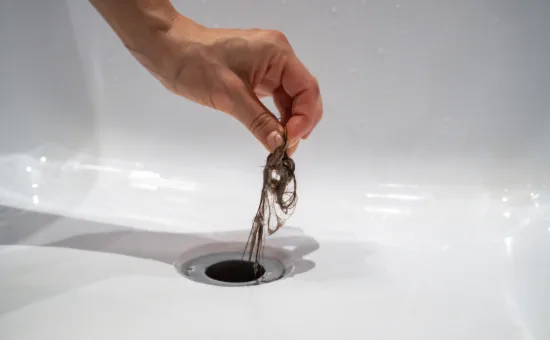
Everyday habits in kitchens and bathrooms can make a real difference to how well drains flow. Keeping food, grease, hair...
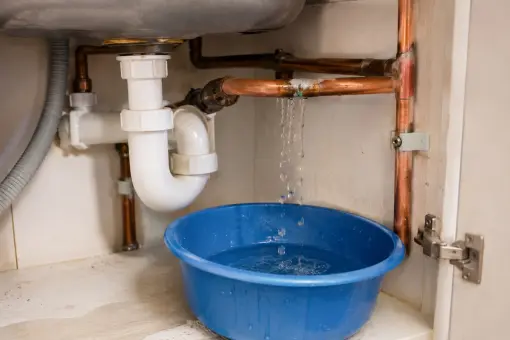
A burst water pipe can cause damage quickly. The first priorities are keeping clear of electrical hazards, stopping the ...
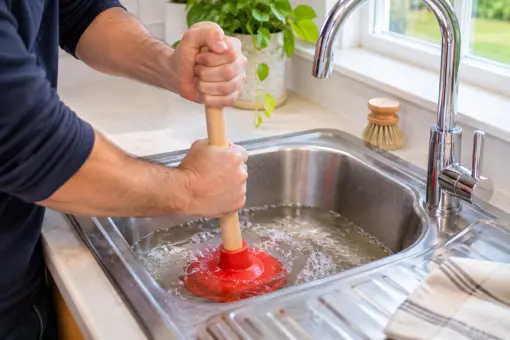
A blocked sink is frustrating, but aggressive cleaners and improvised tools can make matters worse. Start with accessibl...
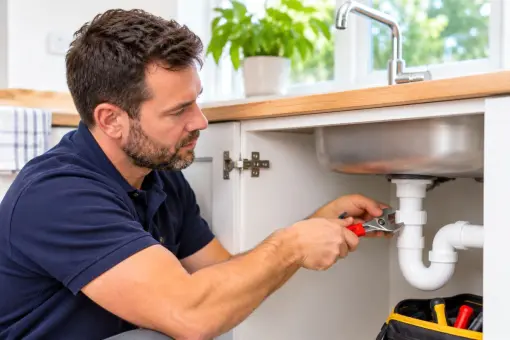
Plumbing costs depend on more than an hourly rate. The type of repair, minimum charge, access, materials and whether the...
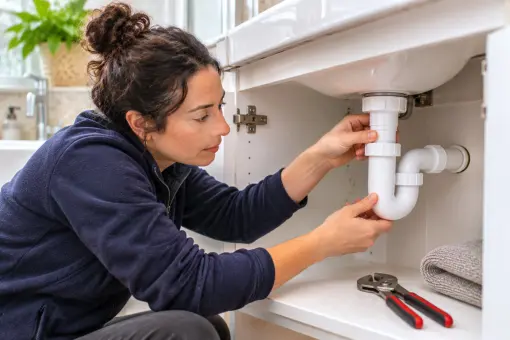
A plumber's quote can include a call-out fee, a minimum labour charge or both. Knowing which applies makes it easier to ...
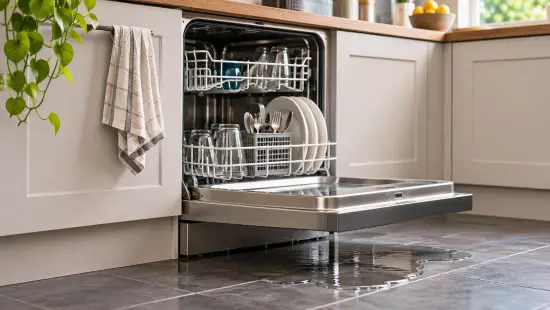
If you have found water spreading across the kitchen floor, the first priority is to make the area safe and limit the da...
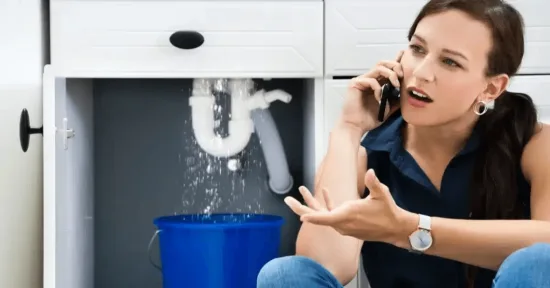
A slow leak can be easy to miss until you notice a damp patch, musty smell or unexpectedly high water bill. Knowing what...
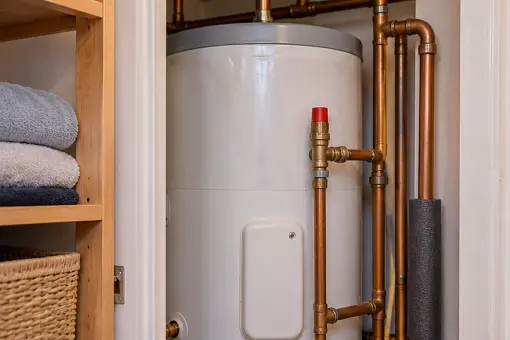
Water around your hot water cylinder needs attention, particularly if it is hot or appears to be coming from a safety di...
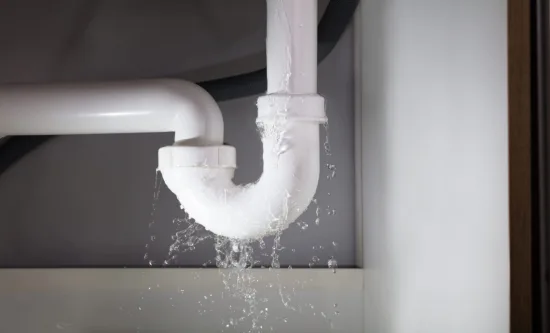
Water under a sink may come from the tap, supply connection, waste trap or seal. Finding the source matters more than gu...
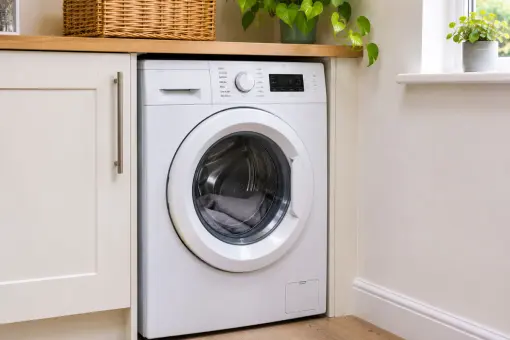
A washing machine needs suitable water, drainage and electrical connections. The manufacturer’s instructions matter more...
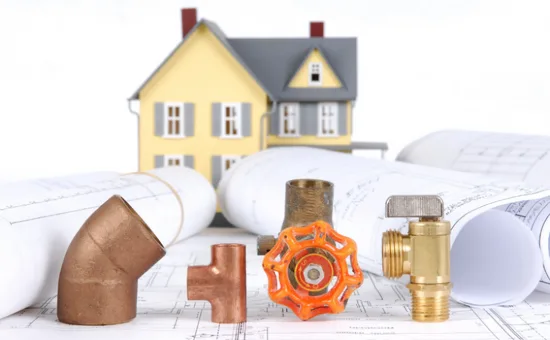
A survey will not necessarily reveal every plumbing issue. A targeted inspection before exchange can help you understand...
 Six-Month Guarantee
 NAPIT & Gas Safe Registered
 London & Surrounding Areas
 Established 2005
 Fully Vetted Tradespeople
 Clear Upfront Pricing
We'll contact you to discuss details & availability.
Quick response • Upfront pricing • Free advice