Book Online
 0330 912 2323
Property Reset: Start 2026 with a Well-Maintained Home
As January 2026 draws to a close, now is a good time to look round the house and catch up on the little things missed in...


Water-saving shower heads may cut hot-water use, but they do not suit every shower. Compare compatibility, flow and comfort before buying or fitting a replacement.
Many showers use a mix of hot and cold water. Reducing the water flow can mean less hot water needs to be heated, potentially lowering energy use as well as metered water consumption.
Actual savings depend on shower duration, flow rate, household size, your hot-water system and your tariffs. A replacement does not guarantee a fixed percentage saving or a rapid payback.
Low-flow heads limit the volume of water passing through the shower while aiming to keep the spray comfortable. They do not create extra mains-water pressure.
Aerating heads mix air with water to create a fuller-feeling spray at a lower water flow. Whether that feels satisfactory depends on the shower and the user.
Not every water-saving shower head suits every installation. In particular, many are unsuitable for electric showers, which have their own flow and temperature controls. Some gravity-fed, pumped or low-pressure systems also need a specific shower head.
Check the shower manufacturer’s instructions before replacing a head or adding a flow restrictor. Avoid fittings that interfere with the appliance’s safe operation.
Shorter showers and turning off the water while lathering may help without changing any fittings. If you are comparing products, check the stated flow rate and any compatibility restrictions rather than relying on broad savings claims.
If you need help with a leaking shower, poor flow or bathroom plumbing, HandyExperts can arrange an appropriate plumbing professional. Call 0330 912 2323 for advice on bookings and current availability.
More practical advice to help you look after your property.

As January 2026 draws to a close, now is a good time to look round the house and catch up on the little things missed in...
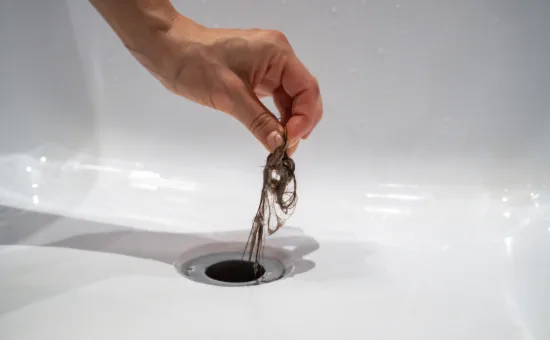
Everyday habits in kitchens and bathrooms can make a real difference to how well drains flow. Keeping food, grease, hair...
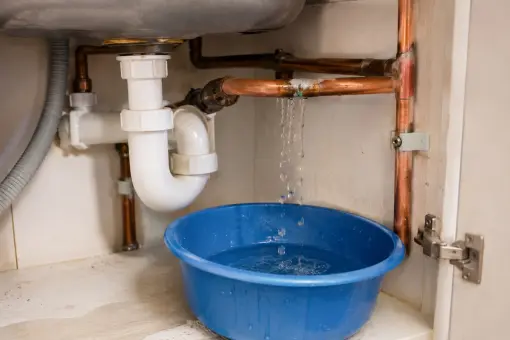
A burst water pipe can cause damage quickly. The first priorities are keeping clear of electrical hazards, stopping the ...
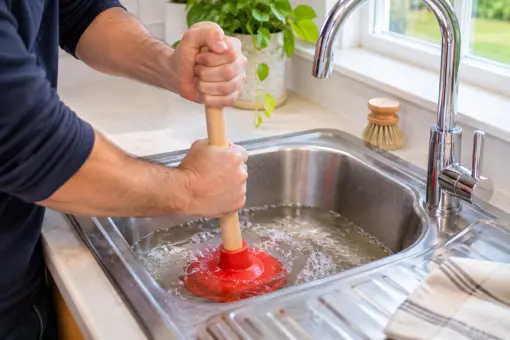
A blocked sink is frustrating, but aggressive cleaners and improvised tools can make matters worse. Start with accessibl...
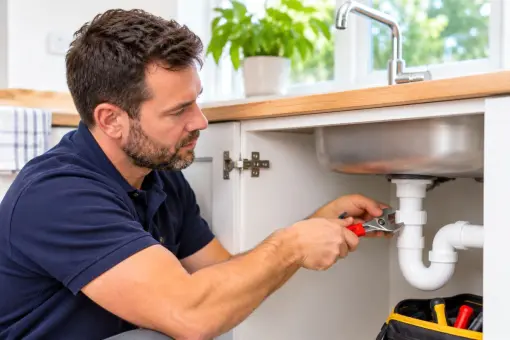
Plumbing costs depend on more than an hourly rate. The type of repair, minimum charge, access, materials and whether the...
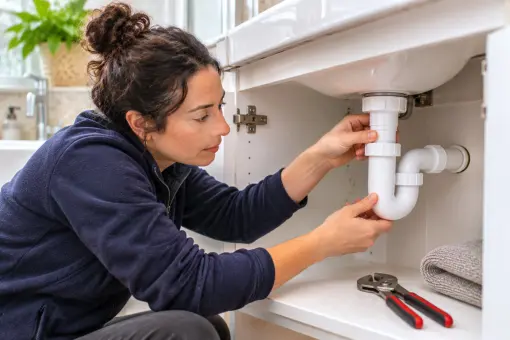
A plumber's quote can include a call-out fee, a minimum labour charge or both. Knowing which applies makes it easier to ...
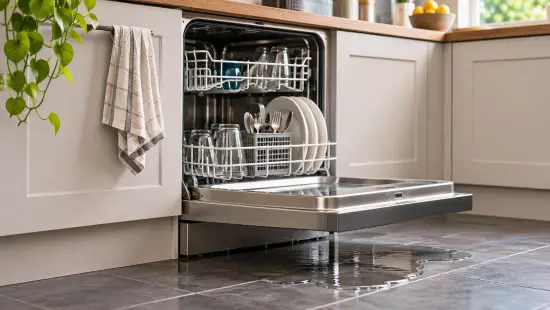
If you have found water spreading across the kitchen floor, the first priority is to make the area safe and limit the da...
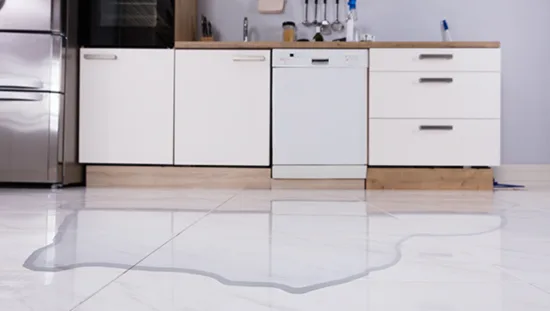
Water on the floor beside a dishwasher may come from the door, a hose connection or the waste pipe. Before trying to fin...

A slow leak can be easy to miss until you notice a damp patch, musty smell or unexpectedly high water bill. Knowing what...
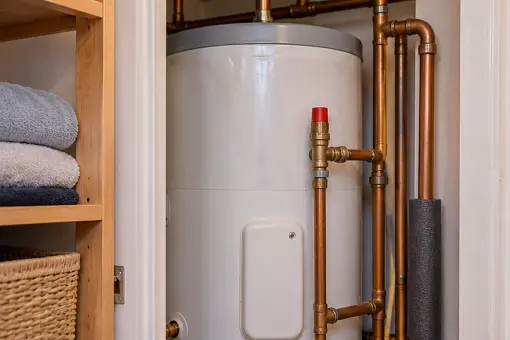
Water around your hot water cylinder needs attention, particularly if it is hot or appears to be coming from a safety di...
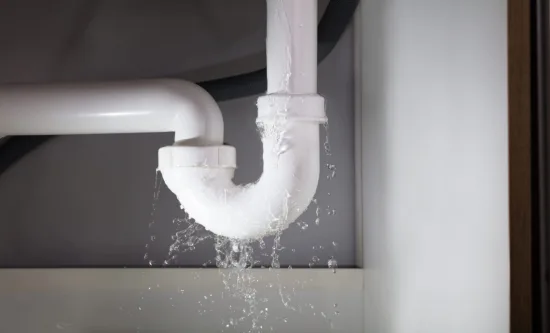
Water under a sink may come from the tap, supply connection, waste trap or seal. Finding the source matters more than gu...
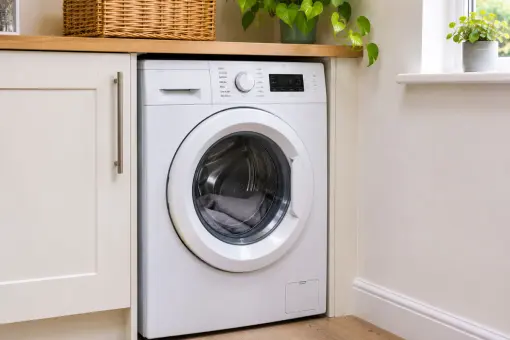
A washing machine needs suitable water, drainage and electrical connections. The manufacturer’s instructions matter more...
 Six-Month Guarantee
 NAPIT & Gas Safe Registered
 London & Surrounding Areas
 Established 2005
 Fully Vetted Tradespeople
 Clear Upfront Pricing
We'll contact you to discuss details & availability.
Quick response • Upfront pricing • Free advice