Book Online
 0330 912 2323
The Importance of Efficient Plumbing and Electricity in Your Home
Well-maintained plumbing and electrical installations make everyday life more reliable. They also help you spot leaks, d...


A simple UK guide to replacing an intact screw or bayonet lightbulb, choosing a suitable lamp and knowing when a damaged fitting needs professional help.
Make sure the light is switched off and give the bulb time to cool. For a portable lamp, unplug it before changing the bulb. Only attempt the change if you can reach the fitting securely, the area is dry and there are no signs of damage.
Use a stable stepladder on firm level ground if you need extra height. Do not stand on a chair, balance on furniture or stretch beyond a safe reach.
Check the fitting or old lamp for the bulb base, maximum wattage and any manufacturer restrictions. Common UK fittings include bayonet caps (such as B22) and Edison screw types (such as E27). The new bulb should be compatible with the fitting and any dimmer, enclosed shade or other stated requirements.
A low-energy LED may give the same light output as an old incandescent bulb while using fewer actual watts, but do not exceed the fitting’s maximum actual wattage or ignore temperature and enclosure restrictions.
When the bulb is cool and the power is off, hold it carefully without forcing it. A screw bulb generally turns anticlockwise to remove. A bayonet bulb usually needs a gentle push inwards and a turn anticlockwise before it can be lifted out. Follow the fitting instructions if the mechanism is different.
Stop if the bulb is seized, cracked, loose in its base or difficult to remove. Do not use pliers on a broken bulb base or probe the holder; a qualified electrician may need to isolate and assess the fitting.
Insert the correct new bulb gently using the reverse movement, without overtightening. Check that any shade or cover is refitted as the manufacturer directs. Stand clear of the fitting before switching the light on to test it.
If the replacement flickers, trips a circuit, fails repeatedly or the fitting becomes unusually hot, switch it off and arrange an inspection. Do not keep experimenting with bulbs if there are signs of damage.
LED bulbs and compact fluorescent lamps (CFLs) should be taken to a suitable electrical or lamp recycling point. CFLs contain a small amount of mercury, so follow local guidance if one breaks. Older incandescent and halogen bulbs generally go in household rubbish rather than glass recycling. Check your council’s local arrangements.
Changing an intact bulb is different from repairing a damaged light fitting. Burning smells, exposed parts, broken holders or persistent tripping need a qualified electrician. For a safely accessible intact fitting where you simply need assistance reaching it, you can discuss the job with our handyman service. For electrical faults, use our electrical service.
More practical advice to help you look after your property.
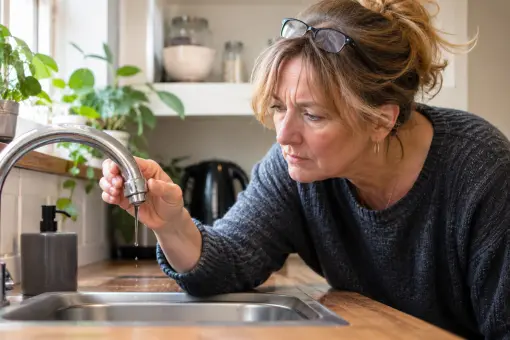
Well-maintained plumbing and electrical installations make everyday life more reliable. They also help you spot leaks, d...
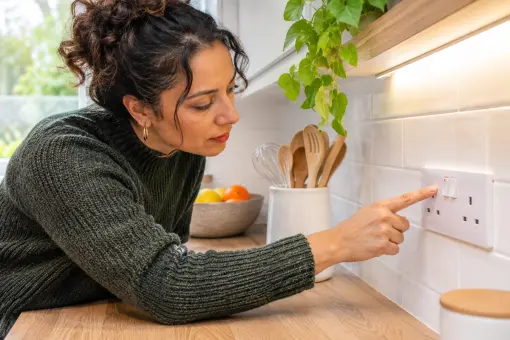
You plug something in and nothing happens. Before assuming the wall socket needs replacing, there are a few things worth...
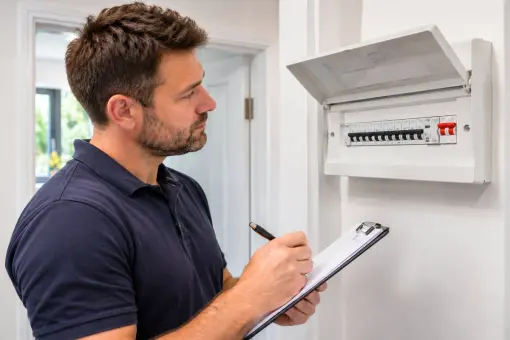
A standard property survey may not tell you the condition of a home's fixed wiring. An electrical inspection can identif...
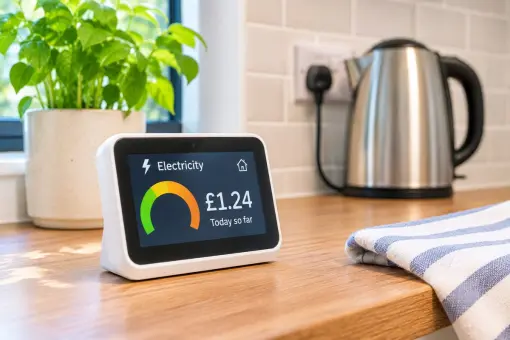
Electricity bills are easier to understand once you separate the unit rate, daily standing charge and the amount of ener...
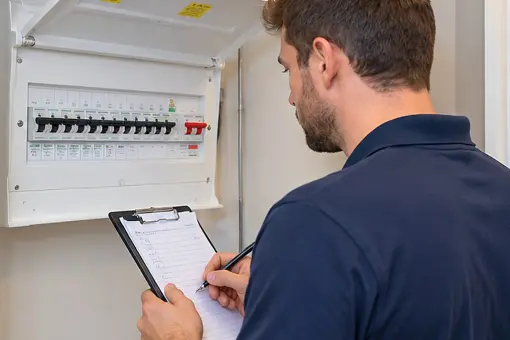
When comparing electrician prices, an hourly rate tells only part of the story. Minimum charges, investigation time, VAT...
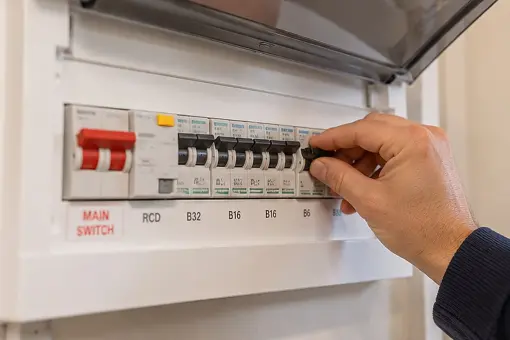
A circuit breaker or RCD that keeps tripping is warning you that something may be wrong. It is not safe to assume an app...

Electrical faults rarely arrive at a convenient time. If you need an electrician outside normal working hours, understan...
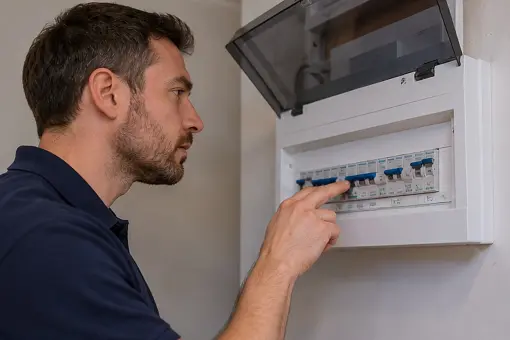
When part of your home suddenly loses power, a switch in the consumer unit may have tripped. You can make a few straight...
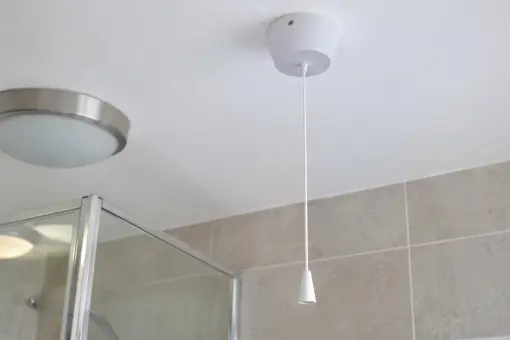
A snapped cord and a faulty ceiling switch are different problems. Find out what you can check without opening an electr...

A flickering light, damaged socket or circuit that keeps tripping is worth taking seriously. Our electricians help custo...

A hot tub can be a lovely addition to a garden, but it needs an electrical supply that's suitable for the model and the ...

A hot socket, a damaged cable or an unexpected electric shock should never be shrugged off. Here are a few warning signs...
 Six-Month Guarantee
 NAPIT & Gas Safe Registered
 London & Surrounding Areas
 Established 2005
 Fully Vetted Tradespeople
 Clear Upfront Pricing
We'll contact you to discuss details & availability.
Quick response • Upfront pricing • Free advice