Book Online
 0330 912 2323
How to Prevent Damp and Mould Before Winter
As temperatures drop and the colder months approach, damp and mould can become a bigger problem in many homes. Condensat...


Carbon monoxide alarms warn of a potentially dangerous gas. Learn where to position them, how to check them and what to do if one sounds.
Carbon monoxide (CO) is a poisonous gas produced when fuels such as gas, oil, coal or wood do not burn completely. You cannot see, smell or taste it. Exposure can cause headaches, dizziness, nausea, confusion and, in serious cases, loss of consciousness.
Fuel-burning boilers, heaters, fires and other appliances can be sources of CO if they are faulty, poorly maintained or incorrectly installed. Blocked flues and inadequate ventilation are possible causes, but they are not the only ones.
Choose a carbon monoxide alarm that complies with the relevant British Standard (BS EN 50291) and follow the instructions for that particular model. Placement matters: an alarm in the wrong room or position may not provide adequate warning.
As a general guide, alarms are usually positioned at head height on a wall or shelf, around 1–3 metres from a potential source of CO, where the manufacturer permits. The correct location depends on the appliance, room layout and alarm design; do not rely on a blanket rule of one alarm per floor.
In England, landlords must provide a CO alarm in each room used as living accommodation containing a fixed fuel-burning appliance, excluding gas cookers. Requirements can differ elsewhere in the UK. See the government guidance for landlords and tenants.
Use the test function at the frequency stated in the manufacturer’s instructions and replace batteries or the complete alarm when the manufacturer specifies. Check the expiry or replacement date. A sealed-battery model generally requires replacing the unit when it reaches the end of its service life.
Do not rely on a universal number of beeps to distinguish an alarm from a low-battery or fault warning: signals vary by manufacturer. Keep the instructions somewhere accessible so everyone in the household understands the sound patterns.
Have gas appliances installed and maintained by an appropriately qualified Gas Safe registered engineer. Keep purpose-provided ventilation and flues unobstructed, and act promptly on appliance faults.
For help arranging suitable heating or gas maintenance, contact HandyExperts on 0330 912 2323.
More practical advice to help you look after your property.
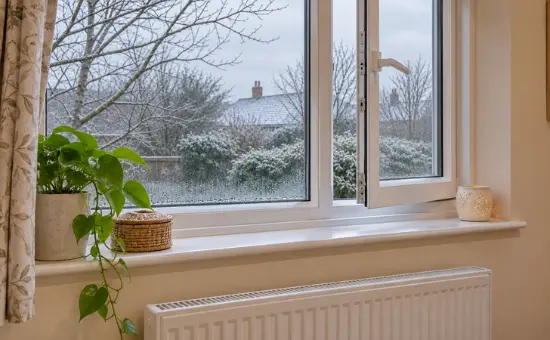
As temperatures drop and the colder months approach, damp and mould can become a bigger problem in many homes. Condensat...

As the days get shorter and the weather turns, it's worth giving your home a little attention before winter arrives. A f...
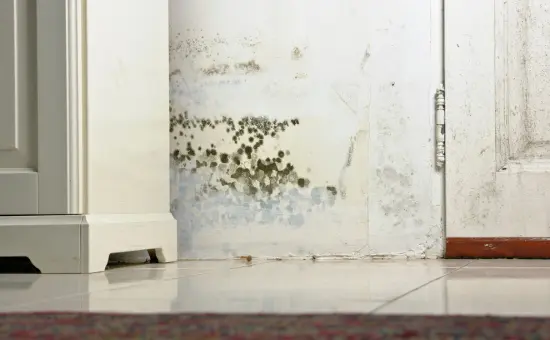
Big renovations attract attention, but buyers also notice signs of neglected maintenance. These five issues can affect h...

A bit of DIY can save time and money, but some repairs are safer left to an experienced tradesperson. Here is how to jud...

Landlord maintenance is easier when there is a clear route from a tenant’s report to the right tradesperson. Here is how...

A home maintenance checklist makes everyday care more manageable. Here are useful monthly, seasonal and annual checks, p...

A fresh look need not involve a major renovation. From paint and storage to small finishing touches, there are plenty of...
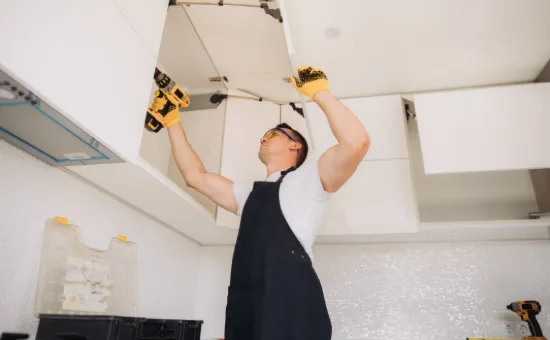
Property maintenance is rarely at the top of anyone’s list until something goes wrong. Whether it is a dripping pipe or ...

A home may look perfectly fine while small hazards go unnoticed. This ten-point checklist covers the things worth keepin...

Most household fixtures just get on with their jobs until something starts dripping, sticking or making a strange noise....
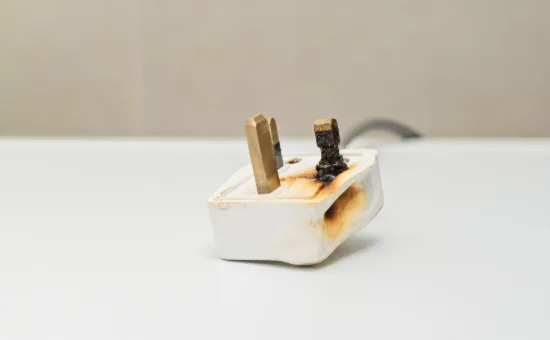
A dripping tap and a burning electrical socket are not the same kind of emergency. Knowing which warning signs can wait ...

Going away should be something to look forward to, not another reason to worry about the house. A little preparation bef...
 Six-Month Guarantee
 NAPIT & Gas Safe Registered
 London & Surrounding Areas
 Established 2005
 Fully Vetted Tradespeople
 Clear Upfront Pricing