Book Online
 0330 912 2323
Our Pet-Friendly Home Maintenance Tips
Pets can be curious about cables, loose fittings and gaps in fences. A few simple checks and sensible material choices c...


Patio repointing replaces failing material between paving slabs. Before starting, check the slabs are stable and follow the specific preparation, joint-depth and curing requirements of the chosen pointing product.
Crumbly joints, loose pointing and weeds between paving slabs can make an otherwise sound patio look neglected. Repointing can restore the finish, but it works best when the paving itself is stable and the jointing material suits the surface.
Look for joints that are cracking, washing out or leaving gaps between slabs. Not every weed means the pointing has failed: remove debris first and check whether the joints still have sound material beneath the surface.
If slabs rock, have sunk or sound hollow, investigate the bedding and drainage before repointing. Fresh mortar or resin will not hold together a patio with unstable paving.
Natural stone and permeable paving systems may require particular care. Check the paving manufacturer's advice before choosing a jointing product.
Wear suitable eye and skin protection when handling cementitious or chemical jointing materials. If power tools are needed to remove hard old mortar, specialist equipment and appropriate dust protection may be necessary.
Gentle cleaning may help, but aggressive pressure washing can dislodge the very joints you are trying to repair. Our guide on when to jet wash a patio explains what to check before using a pressure washer.
If the slabs are moving, the pointing has repeatedly failed or you are unsure which system was used, ask for an assessment before spending money on materials. For outdoor repairs and general maintenance, speak with HandyExperts about the work and available handyman services.
More practical advice to help you look after your property.
Pets can be curious about cables, loose fittings and gaps in fences. A few simple checks and sensible material choices c...

Longer days make it tempting to get stuck into all those DIY jobs around the house. A little planning will usually save ...

Loose cupboard hinges, damaged sealant and a door that sticks: little problems in a rental property can soon turn into a...
Some home maintenance jobs are straightforward, while others need more time, tools or experience than you have available...
Handyman prices in Hackney depend on the work involved, how long it takes and what is included in the charge. Here is wh...

A bathroom refresh doesn't always need a new suite. Smaller improvements to storage, surfaces and fittings can make a di...
From troublesome doors to furniture assembly, a good handyman can take care of several smaller jobs around a Bromley pro...

Doing a job yourself can save money, but not always. For more involved repairs, the right tradesperson may help you avoi...
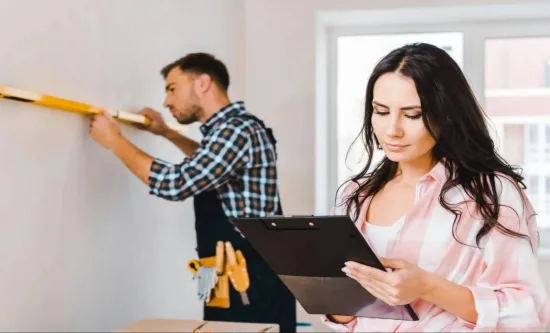
A few details before a handyman visit can save time: what is wrong, where it is, how to access it and what outcome you e...
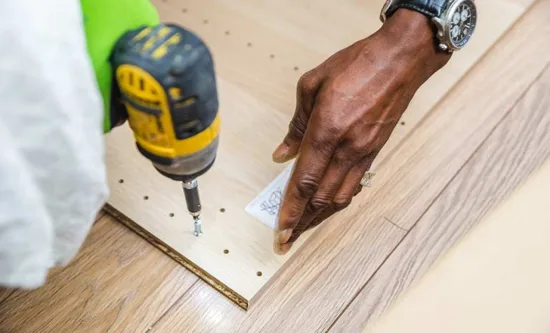
Flat-pack furniture goes together more easily with the right tools, space and instructions. Safety matters just as much ...
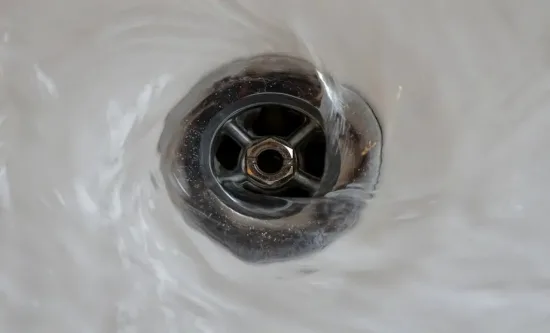
Standing water and slow drainage often start with debris near the plughole or in the trap. Try safer checks before reach...
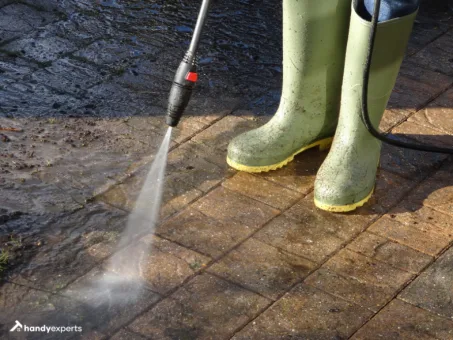
Jet washing can refresh paving, but too much pressure can damage joints or delicate surfaces. Check the condition of you...
 Six-Month Guarantee
 NAPIT & Gas Safe Registered
 London & Surrounding Areas
 Established 2005
 Fully Vetted Tradespeople
 Clear Upfront Pricing
We'll contact you to discuss details & availability.
Quick response • Upfront pricing • Free advice