Book Online
 0330 912 2323
How Seasonal Weather Impacts Your Property
Rain, wind, frost and summer heat each put different pressures on a home. Knowing what to look for through the year can ...

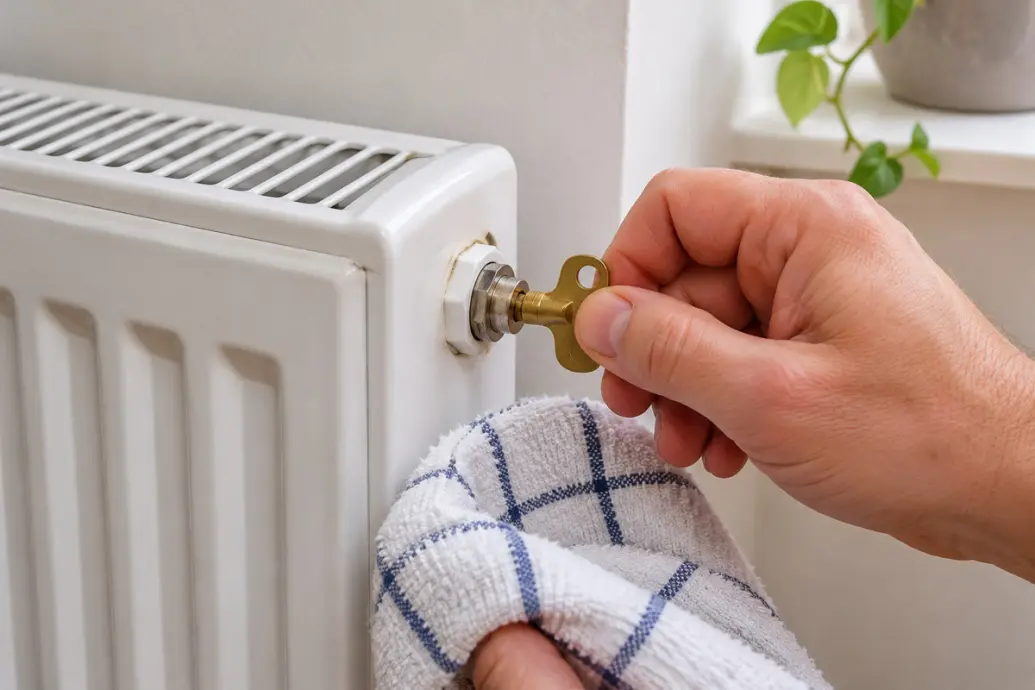
Trapped air can leave the top of a radiator cold. Follow these careful steps, check the pressure if your system is sealed, and seek help if symptoms persist.
If a radiator is warm at the bottom but noticeably cooler at the top, trapped air may be stopping hot water from circulating properly. Gurgling can be another clue. However, a radiator that is cold at the bottom, a whole room that stays cold or repeated pressure loss can have other causes.
You do not need to bleed every radiator routinely if it is heating properly. If you are unsure what is wrong, a heating engineer can assess the system.
A suitable radiator key (or the tool specified for your valve), an old cloth and a small container for drips. Do not force a worn or damaged bleed valve.
Once everything is secure and the pressure is appropriate for your system, turn the heating back on and check the radiator over time. There is no fixed five-minute test that works for every installation.
Call for advice if the valve leaks, the boiler repeatedly loses pressure, radiators remain unevenly heated or you need to bleed them frequently. These may indicate a fault that bleeding alone will not fix. Work involving a gas boiler must be carried out by a suitably Gas Safe registered engineer.
HandyExperts can arrange suitable heating and boiler support. You can also call 0330 912 2323.
More practical advice to help you look after your property.
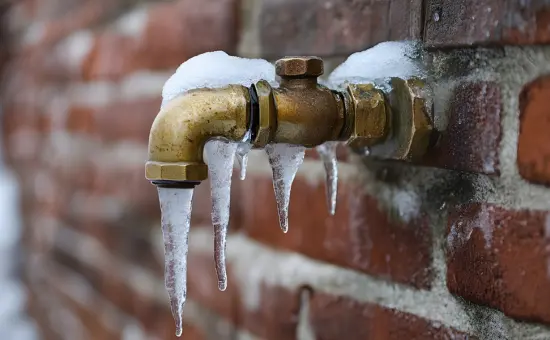
Rain, wind, frost and summer heat each put different pressures on a home. Knowing what to look for through the year can ...
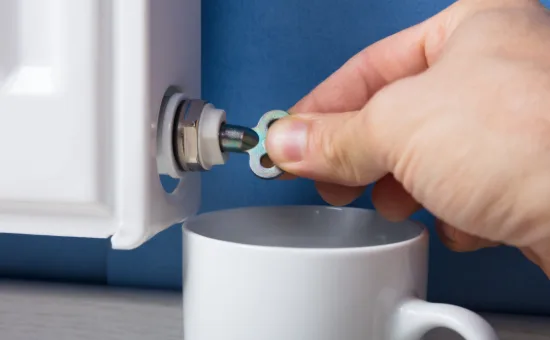
A radiator that stays cold at the top may have air trapped inside it. Bleeding can sometimes restore even heating, but i...
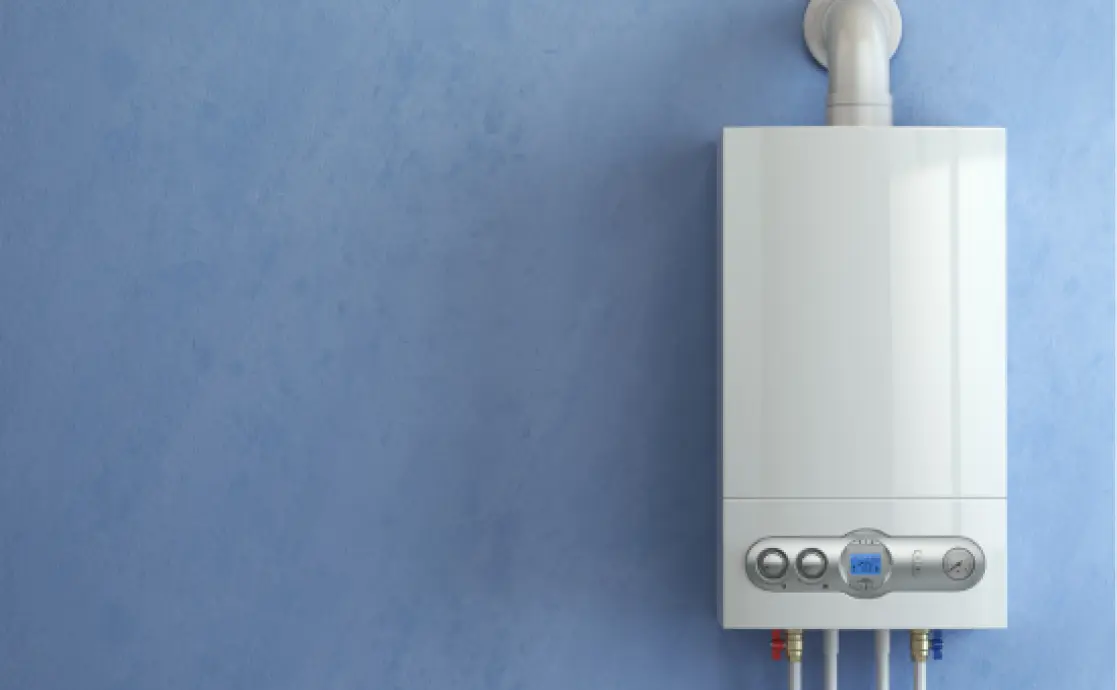
The so-called boiler tax is not a charge imposed directly on homeowners. It refers to the Clean Heat Market Mechanism, a...

Giving your heating a short test before the coldest weather arrives can reveal problems while there's still time to arra...
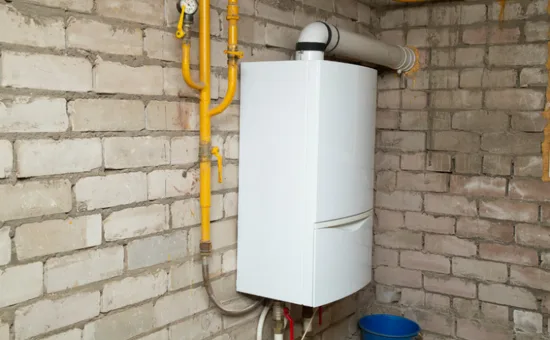
Unreliable heating, unusual sounds and repeated faults can all point to a boiler problem. Here are five signs worth disc...
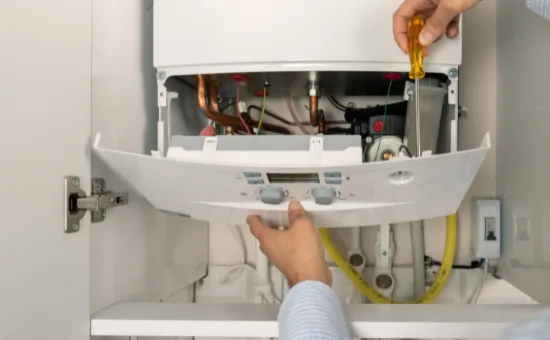
Boiler servicing is part of looking after your heating system. It can help identify developing faults, support efficient...
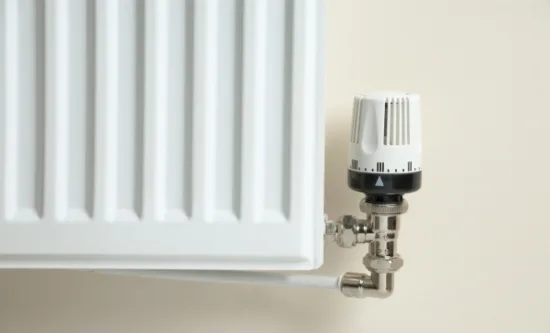
Thermostatic radiator valves help control temperatures in individual rooms by adjusting the flow of hot water through ra...
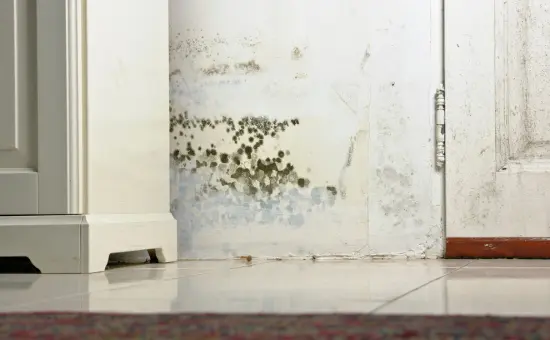
Big renovations attract attention, but buyers also notice signs of neglected maintenance. These five issues can affect h...
A bit of DIY can save time and money, but some repairs are safer left to an experienced tradesperson. Here is how to jud...

As January 2026 draws to a close, now is a good time to look round the house and catch up on the little things missed in...

Landlord maintenance is easier when there is a clear route from a tenant’s report to the right tradesperson. Here is how...

A home maintenance checklist makes everyday care more manageable. Here are useful monthly, seasonal and annual checks, p...
 Six-Month Guarantee
 NAPIT & Gas Safe Registered
 London & Surrounding Areas
 Established 2005
 Fully Vetted Tradespeople
 Clear Upfront Pricing
We'll contact you to discuss details & availability.
Quick response • Upfront pricing • Free advice