Book Online
 0330 912 2323
How to Prevent Damp and Mould Before Winter
As temperatures drop and the colder months approach, damp and mould can become a bigger problem in many homes. Condensat...


A little planning saves a lot of frustration. Think through the budget, your DIY limits and the tools you'll need before starting a home improvement project.
We can't stress enough the value of planning before you start. Decide what you're trying to achieve, which tasks depend on others and where you may need professional help. Good planning can prevent several half-finished jobs competing for your time and money.
Make a list of the improvements you'd like to make and get an idea of material and labour costs. Ask for quotes when appropriate, and leave some room for unexpected work, particularly in older properties. Then decide what you can realistically tackle now.
Some jobs are enjoyable DIY projects; others require the right qualifications, testing or specialist equipment. If you're unsure, talk to a professional early rather than asking someone to put right a more complicated problem later. Gas work must be done by an appropriately Gas Safe registered engineer, and relevant electrical work should be handled by a competent electrician.
It's easier to keep a project moving when you've got the tools and materials ready before you begin. If you're putting together a starter kit, have a look at our guide to six essential tools to keep at home. Make sure you're also using appropriate protective equipment and following the tool instructions.
Not every project needs to be about resale value. A more comfortable home, better storage or improved energy efficiency can be worth doing for everyday life. If you are thinking about major alterations, check planning permission, building regulations and other relevant approvals before committing.
Whether you're planning a small repair or several jobs at once, HandyExperts can help you work out which property maintenance service is appropriate.
More practical advice to help you look after your property.
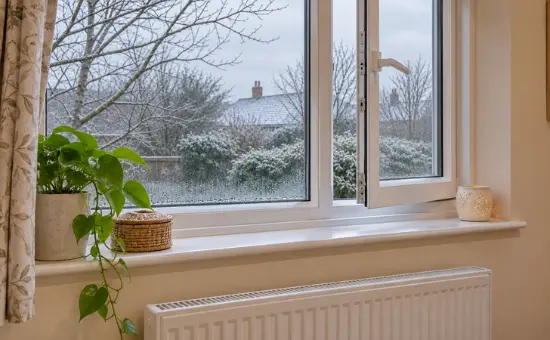
As temperatures drop and the colder months approach, damp and mould can become a bigger problem in many homes. Condensat...

As the days get shorter and the weather turns, it's worth giving your home a little attention before winter arrives. A f...
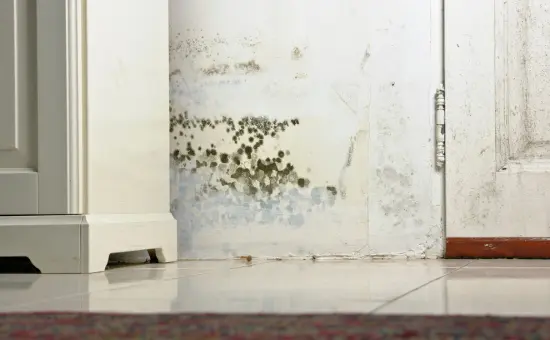
Big renovations attract attention, but buyers also notice signs of neglected maintenance. These five issues can affect h...

A bit of DIY can save time and money, but some repairs are safer left to an experienced tradesperson. Here is how to jud...

Landlord maintenance is easier when there is a clear route from a tenant’s report to the right tradesperson. Here is how...

A home maintenance checklist makes everyday care more manageable. Here are useful monthly, seasonal and annual checks, p...

A fresh look need not involve a major renovation. From paint and storage to small finishing touches, there are plenty of...

Property maintenance is rarely at the top of anyone’s list until something goes wrong. Whether it is a dripping pipe or ...

A home may look perfectly fine while small hazards go unnoticed. This ten-point checklist covers the things worth keepin...

Most household fixtures just get on with their jobs until something starts dripping, sticking or making a strange noise....

A dripping tap and a burning electrical socket are not the same kind of emergency. Knowing which warning signs can wait ...

Going away should be something to look forward to, not another reason to worry about the house. A little preparation bef...
 Six-Month Guarantee
 NAPIT & Gas Safe Registered
 London & Surrounding Areas
 Established 2005
 Fully Vetted Tradespeople
 Clear Upfront Pricing