Book Online
 0330 912 2323
How to Prevent Damp and Mould Before Winter
As temperatures drop and the colder months approach, damp and mould can become a bigger problem in many homes. Condensat...


A smart home doesn’t have to mean fitting gadgets in every room. For some people, a thermostat they can adjust from the train is useful. For others, being able to turn on a lamp without getting up is plenty.
Connected devices can include thermostats, lighting, plugs, speakers, doorbells, security cameras and some household appliances. They may be controlled through an app, a voice assistant or an automatic schedule.
A good heating schedule can help avoid warming an empty house unnecessarily. Smart lighting can be convenient where a switch is awkward to reach, and a doorbell with a camera may help you see who has called when you are out. None of these benefits requires turning your whole home into a connected system.
Not automatically. A smart device still uses electricity, and savings depend on the equipment it controls and how you use it. Heating controls can be useful if they suit your system and routines, but a smart plug does not make the appliance attached to it inherently more efficient. Check any off-peak tariff claims carefully, and avoid running washing machines or dishwashers unattended simply to chase a cheaper rate.
Check that devices work with your existing Wi-Fi, heating equipment and preferred phone or voice assistant. Look for a clear security-update support period, change default credentials where applicable and keep device software up to date. Also consider privacy settings and whether essential functions still work if the internet goes down.
If you are considering new controls or connected lighting, choose a device that solves a specific inconvenience. For fixed wiring or heating-system changes, seek the right professional advice. You can also read our home energy-saving tips for ideas that do not require smart technology.
More practical advice to help you look after your property.
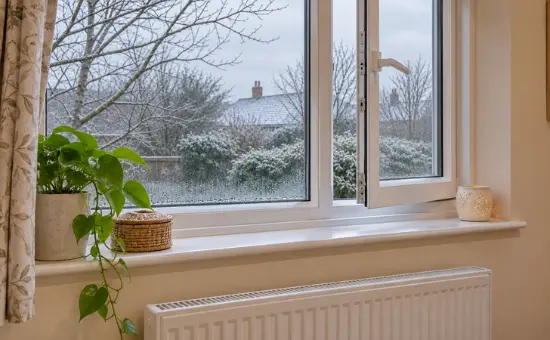
As temperatures drop and the colder months approach, damp and mould can become a bigger problem in many homes. Condensat...

As the days get shorter and the weather turns, it's worth giving your home a little attention before winter arrives. A f...
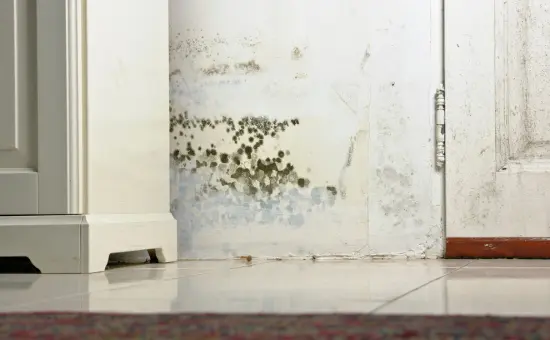
Big renovations attract attention, but buyers also notice signs of neglected maintenance. These five issues can affect h...

A bit of DIY can save time and money, but some repairs are safer left to an experienced tradesperson. Here is how to jud...

Landlord maintenance is easier when there is a clear route from a tenant’s report to the right tradesperson. Here is how...

A home maintenance checklist makes everyday care more manageable. Here are useful monthly, seasonal and annual checks, p...

A fresh look need not involve a major renovation. From paint and storage to small finishing touches, there are plenty of...

Property maintenance is rarely at the top of anyone’s list until something goes wrong. Whether it is a dripping pipe or ...

A home may look perfectly fine while small hazards go unnoticed. This ten-point checklist covers the things worth keepin...

Most household fixtures just get on with their jobs until something starts dripping, sticking or making a strange noise....

A dripping tap and a burning electrical socket are not the same kind of emergency. Knowing which warning signs can wait ...

Going away should be something to look forward to, not another reason to worry about the house. A little preparation bef...
 Six-Month Guarantee
 NAPIT & Gas Safe Registered
 London & Surrounding Areas
 Established 2005
 Fully Vetted Tradespeople
 Clear Upfront Pricing