Book Online
 0330 912 2323
How to Prevent Damp and Mould Before Winter
As temperatures drop and the colder months approach, damp and mould can become a bigger problem in many homes. Condensat...


Cut wasted energy with practical habits for lighting, laundry, heating and hot water. Choose improvements that suit your home without compromising ventilation or safety.
Turn lights off when leaving a room and avoid leaving unnecessary appliances on standby. Replacing compatible older bulbs with LEDs can also reduce electricity use; see our guide to energy-efficient lighting for more.
A 30°C wash can use less energy than a hotter programme for suitable everyday laundry. Follow clothing labels and hygiene guidance for heavily soiled items or where a higher temperature is needed. Wash sensible loads without overfilling the drum, and check the machine's eco setting: a shorter cycle is not necessarily more energy efficient.
Check draughts around windows and doors, and consider suitable seals or draught excluders. Insulation may offer bigger benefits where it is missing or inadequate. Do not block purpose-provided vents, air bricks or ventilation needed by combustion appliances. Persistent damp needs its cause investigated rather than simply sealing every gap.
Set your room thermostat and heating schedule for the temperatures you actually need. Small changes may reduce energy use, but the saving will vary by property and lifestyle. Do not arbitrarily turn down a hot-water storage cylinder to save money: stored hot water needs to be maintained at an appropriate temperature to manage bacterial risks. If unsure, ask a heating professional about your system.
Fix dripping hot taps, avoid running water unnecessarily and consider a shorter shower if it suits your household. Use efficient appliances with appropriately sized loads, and choose compatible showerheads or tap fittings rather than assuming every product works with every system.
For more ideas, visit the Energy Saving Trust's advice. HandyExperts can help with heating checks, leaks and other property repairs.
More practical advice to help you look after your property.
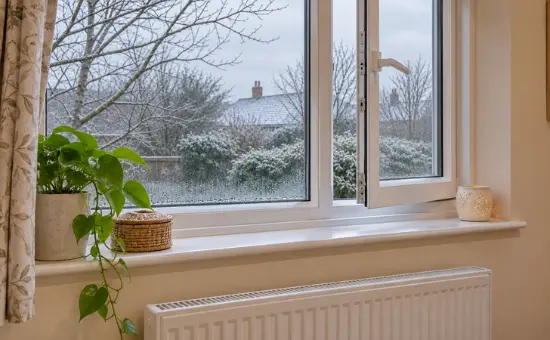
As temperatures drop and the colder months approach, damp and mould can become a bigger problem in many homes. Condensat...

As the days get shorter and the weather turns, it's worth giving your home a little attention before winter arrives. A f...
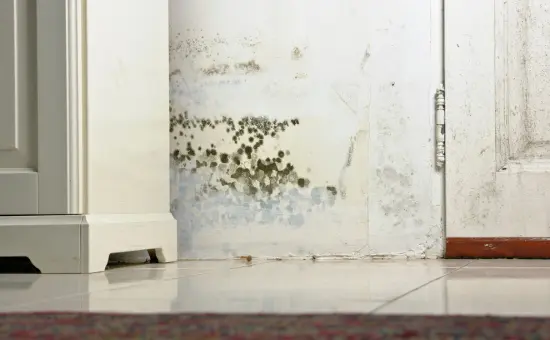
Big renovations attract attention, but buyers also notice signs of neglected maintenance. These five issues can affect h...

A bit of DIY can save time and money, but some repairs are safer left to an experienced tradesperson. Here is how to jud...

Landlord maintenance is easier when there is a clear route from a tenant’s report to the right tradesperson. Here is how...

A home maintenance checklist makes everyday care more manageable. Here are useful monthly, seasonal and annual checks, p...

A fresh look need not involve a major renovation. From paint and storage to small finishing touches, there are plenty of...

Property maintenance is rarely at the top of anyone’s list until something goes wrong. Whether it is a dripping pipe or ...

A home may look perfectly fine while small hazards go unnoticed. This ten-point checklist covers the things worth keepin...

Most household fixtures just get on with their jobs until something starts dripping, sticking or making a strange noise....

A dripping tap and a burning electrical socket are not the same kind of emergency. Knowing which warning signs can wait ...

Going away should be something to look forward to, not another reason to worry about the house. A little preparation bef...
 Six-Month Guarantee
 NAPIT & Gas Safe Registered
 London & Surrounding Areas
 Established 2005
 Fully Vetted Tradespeople
 Clear Upfront Pricing