Book Online
 0330 912 2323
How to Prevent Damp and Mould Before Winter
As temperatures drop and the colder months approach, damp and mould can become a bigger problem in many homes. Condensat...


New homes in England are moving towards lower-carbon heating and improved efficiency. Here is what the 2026 rules mean and how they differ from existing-home improvements.
If you are buying a new-build home or planning a major project, you have probably heard about low-carbon heating and the Future Homes Standard. The direction of travel is clear, but some old headlines still refer to a 2025 start date that did not happen.
The standards introduce changes to the building regulations for new homes and certain other buildings in England. The aim is to combine lower-carbon heating with high levels of energy efficiency, helping new buildings move away from reliance on fossil-fuel heating.
The government published the relevant regulations and guidance in March 2026. Most of the changes come into force on 24 March 2027, with later commencement for specified higher-risk building work and transitional arrangements for projects already in progress. That means the exact requirements for a development depend partly on when approvals and work take place. See the official building circular.
The standards address heating, energy performance and on-site renewable electricity as part of the overall design. Heat pumps and other low-carbon systems will play a greater role. That does not mean every new home will have wind turbines or geothermal equipment; the actual specification follows the regulations and design of the building.
The new-build standards are not a blanket requirement for everyone living in an older property to replace their boiler or install solar panels. Existing-home improvements are a separate decision. Insulation, draught reduction, suitable heating controls, ventilation and regular heating maintenance may all be worth considering depending on the home.
A well-designed, efficient home can be more comfortable to run, but actual bills still depend on the household, the energy tariff and how the systems are used. Ventilation and overheating protection matter alongside insulation and heating efficiency.
For homeowners, the useful lesson is to understand the building and its systems rather than assuming every new technology will suit every property.
More practical advice to help you look after your property.
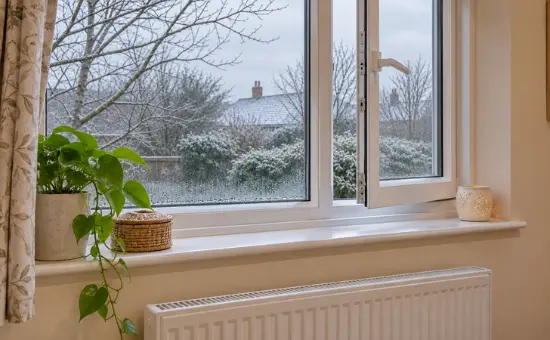
As temperatures drop and the colder months approach, damp and mould can become a bigger problem in many homes. Condensat...

As the days get shorter and the weather turns, it's worth giving your home a little attention before winter arrives. A f...
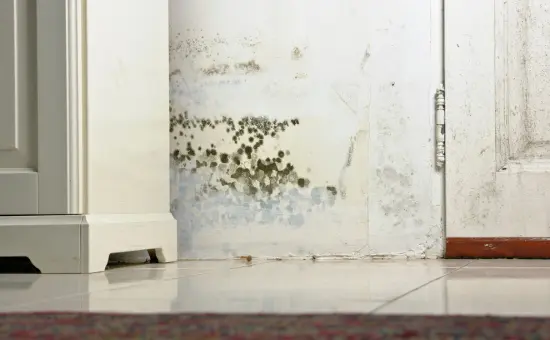
Big renovations attract attention, but buyers also notice signs of neglected maintenance. These five issues can affect h...

A bit of DIY can save time and money, but some repairs are safer left to an experienced tradesperson. Here is how to jud...

Landlord maintenance is easier when there is a clear route from a tenant’s report to the right tradesperson. Here is how...

A home maintenance checklist makes everyday care more manageable. Here are useful monthly, seasonal and annual checks, p...

A fresh look need not involve a major renovation. From paint and storage to small finishing touches, there are plenty of...

Property maintenance is rarely at the top of anyone’s list until something goes wrong. Whether it is a dripping pipe or ...

A home may look perfectly fine while small hazards go unnoticed. This ten-point checklist covers the things worth keepin...

Most household fixtures just get on with their jobs until something starts dripping, sticking or making a strange noise....

A dripping tap and a burning electrical socket are not the same kind of emergency. Knowing which warning signs can wait ...

Going away should be something to look forward to, not another reason to worry about the house. A little preparation bef...
 Six-Month Guarantee
 NAPIT & Gas Safe Registered
 London & Surrounding Areas
 Established 2005
 Fully Vetted Tradespeople
 Clear Upfront Pricing