
Blocked drains can start with everyday waste or problems deeper underground. Knowing which materials cause obstructions helps you prevent them and recognise when professional investigation is needed.
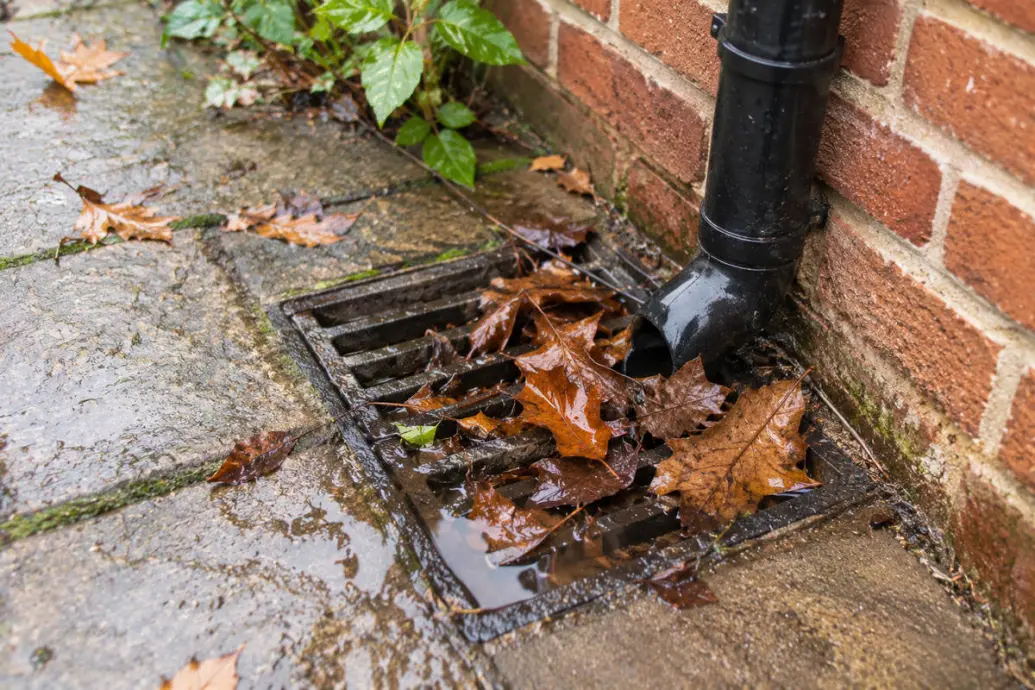
Leaves, silt and garden debris can collect around gullies, grates and surface-water drainage points. Clear visible debris from safe, accessible areas and keep drain covers unobstructed. Do not enter confined spaces or lift heavy covers without the right equipment.
Hair can catch on fittings and mix with soap residue, gradually reducing drainage from baths and showers. A suitable hair catcher emptied regularly is a simple preventative measure.
Fats can cool and stick to pipe walls, trapping other waste. Allow cooking fat to cool and dispose of it with household waste in line with local guidance. Do not wash it away with hot water: that can simply move the problem further along the drain.
Rice, pasta, peelings and other food debris may collect in sink wastes and traps. Scrape plates into a food-waste container before rinsing them and use an appropriate sink strainer.
Soap residue can combine with hair and minerals to form deposits, particularly in bathroom pipework. A buildup can occur with different washing products; switching to liquid soap or installing a water softener is not a guaranteed solution to a blockage.
Roots can sometimes enter underground drains through defects or joints and grow inside the pipe. Repeated outdoor blockages, particularly around the same section, may justify a professional camera survey rather than another routine clearance.
Wipes, cotton wool and sanitary items should not be flushed. They can snag in pipework and contribute to restrictions or serious blockages. Provide a bin in the bathroom and put only the appropriate waste down the toilet.
Slow draining from one fitting may be a local issue; several fixtures backing up together, wastewater overflowing or repeated problems can point to a wider drainage fault. Avoid mixing chemical drain cleaners or using mechanical tools after chemicals have been poured down a drain.
Our drainage team can discuss the symptoms and possible next steps. For practical habits that help reduce the risk, see our blocked-drain prevention guide.
< Blog listUse the form to request your callback and we'll come back to you straight away.

Put your contact details into the form along with anything you'd like to share with us about the job.

Our office experts will check the details and call you back with prices and availability.

If it sounds good and you like your trade services hassle-free & fully managed then we're ready to book you in!


 0330 912 2323